Kanazawa 金沢
16th October - 19th October

Okay so this is actually a photo taken in Kyoto and not, as the title of this blog might suggest, Kanazawa. We had two days of recuperation after the tour and before heading off on the next leg of our journey. (Also, tbh, it gives me a chance to catch up a bit with writing by not having a separate second blog for this fine city)
It was great relief to be able to get up for breakfast when we felt like it and not have to meet in the lobby at a certain time (normally quite early) to be trooped off for the day.
We did make it down before ten when breakfast finished and there were still some stragglers from the tour that were either having an extra day or two before heading home or waiting for flights later that day. We also bumped into Patrick just before heading home or was heading off to do some research at a place he’d not been to before in readiness for a future tour. He really doesn’t seem to get many days off. It confirmed my view that being a tour guide is definitely not going on an extended holiday and that it was a job to covert. I’d be crap at it anyway due to my inbuilt intolerance to pretty much every other tourist!
we felt pretty comfortable in Kyoto now and at ease with finding our way around unassisted. We were on a mission today to buy an additional bag to accommodate all of the things that we are buying (new T shirt count is already at 4!), as well as to give us space for a week’s travelling whilst we forward our larger, already overpacked bags, onto Tokyo.
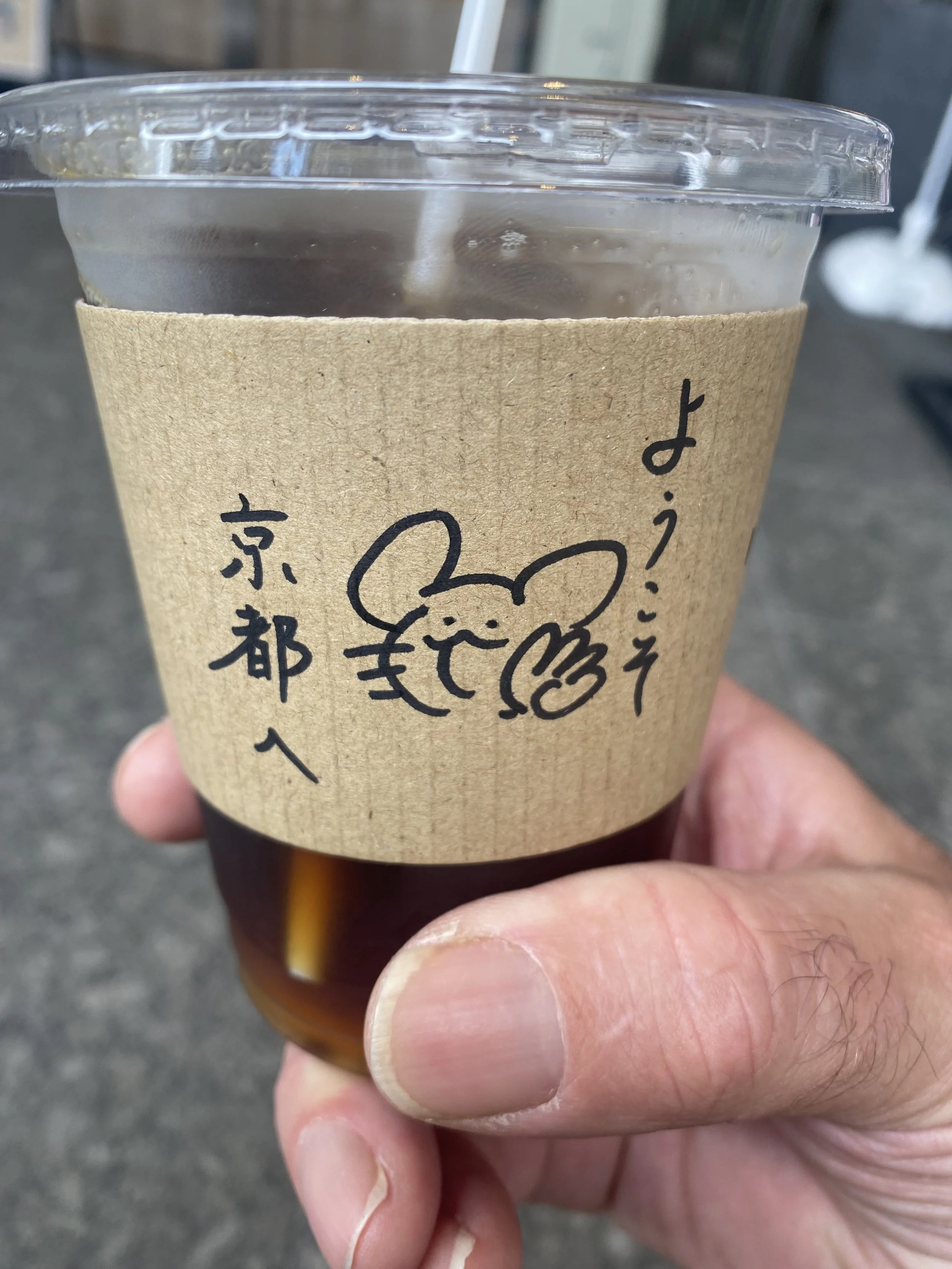
Found my first really nice speciality coffee at a small one man stand outside of one of the many shopping malls in town. I had it iced and while I waited, the nice barista had time to decorate my takeaway cup with a little mouse cartoon. He said that that the words say ‘welcome to Kyoto’ but it could say ‘get lost gringo’ for all I know! ( although the two Kanji characters on the left say Kyoto so maybe it says ‘ this coffee was made with Kyoto mouse droppings’). It tasted great though.

Travel bag secured and 15,000 steps complete, we were absolutely shattered. It was supposed to be a rest day! We went out for dinner and made about 20 paces before going into this really nice Italian restaurant. The food so far has been mostly great but the lure of something familiar and plain was too tempting.

We figured that we would be doing a great deal of travelling during the weeks to come so on our second free day in Kyoto we decided to walk up beside the river and to the imperial park. It was going to be another epic step count day but I guess that we have got used to that now.
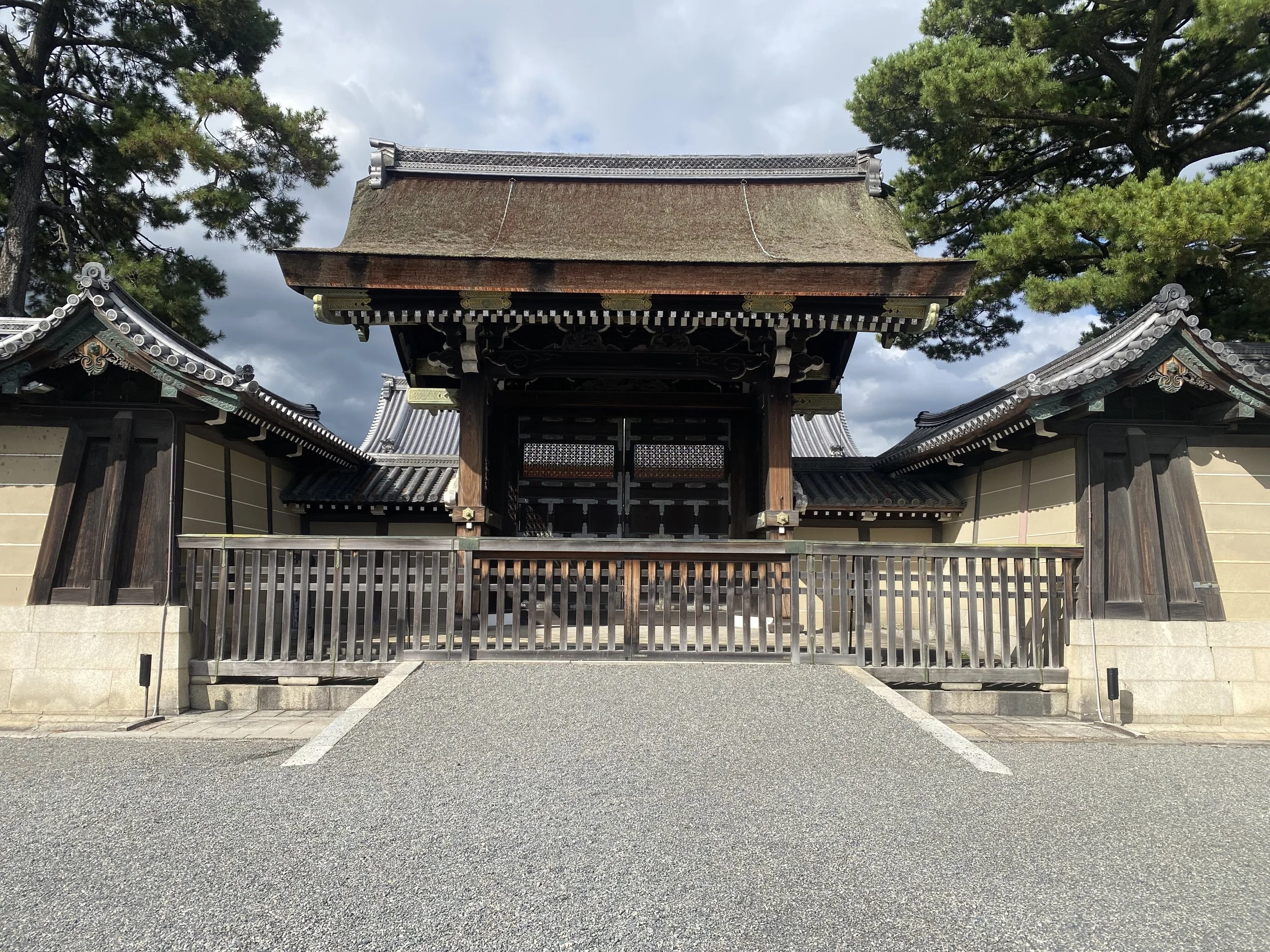
We were intending to look around the royal palace but it turned out that the Emperor was home and he wasn’t accepting any visitors. So we just admired the gates to his pad instead. The gardens were fairly ordinary but very quiet away from the hustle and bustle of the main streets.

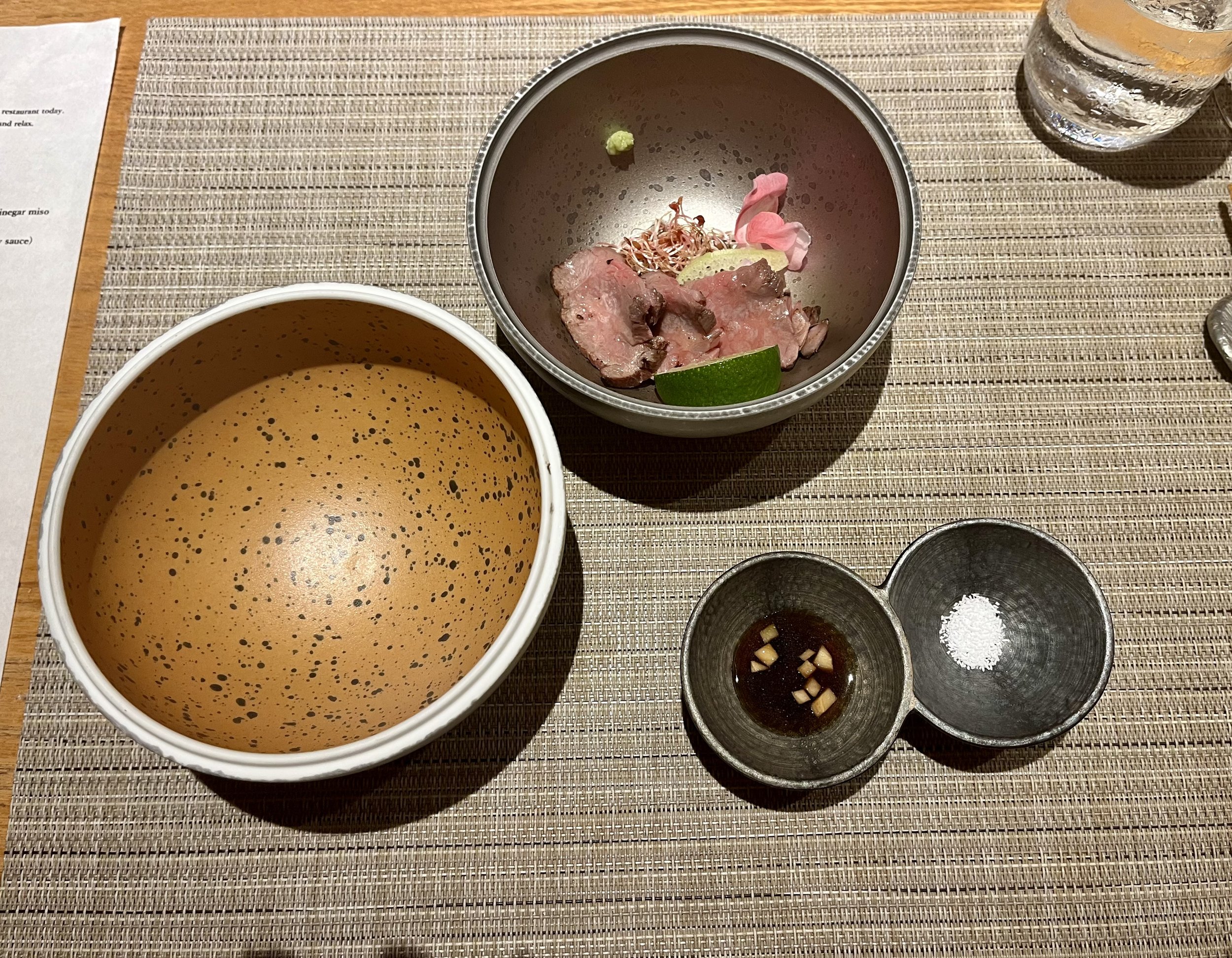
Our last night in Kyoto and we went big on dinner with a tasting menu that focused on Waygo beef. We also went for a bottle of red wine from Bordeaux no less. The meal was 11,000 yen each and the wine another 8,000 so all in £150. Budget blown for a few days but it was worth every penny. Beautifully crafted food with emasculate service in a fantastic space.
The restaurant had a balcony looking over the river which we were glad that we hadn’t paid the 10% surcharge to sit on as, for the first time since arriving in Japan, it had turned a bit chilly.
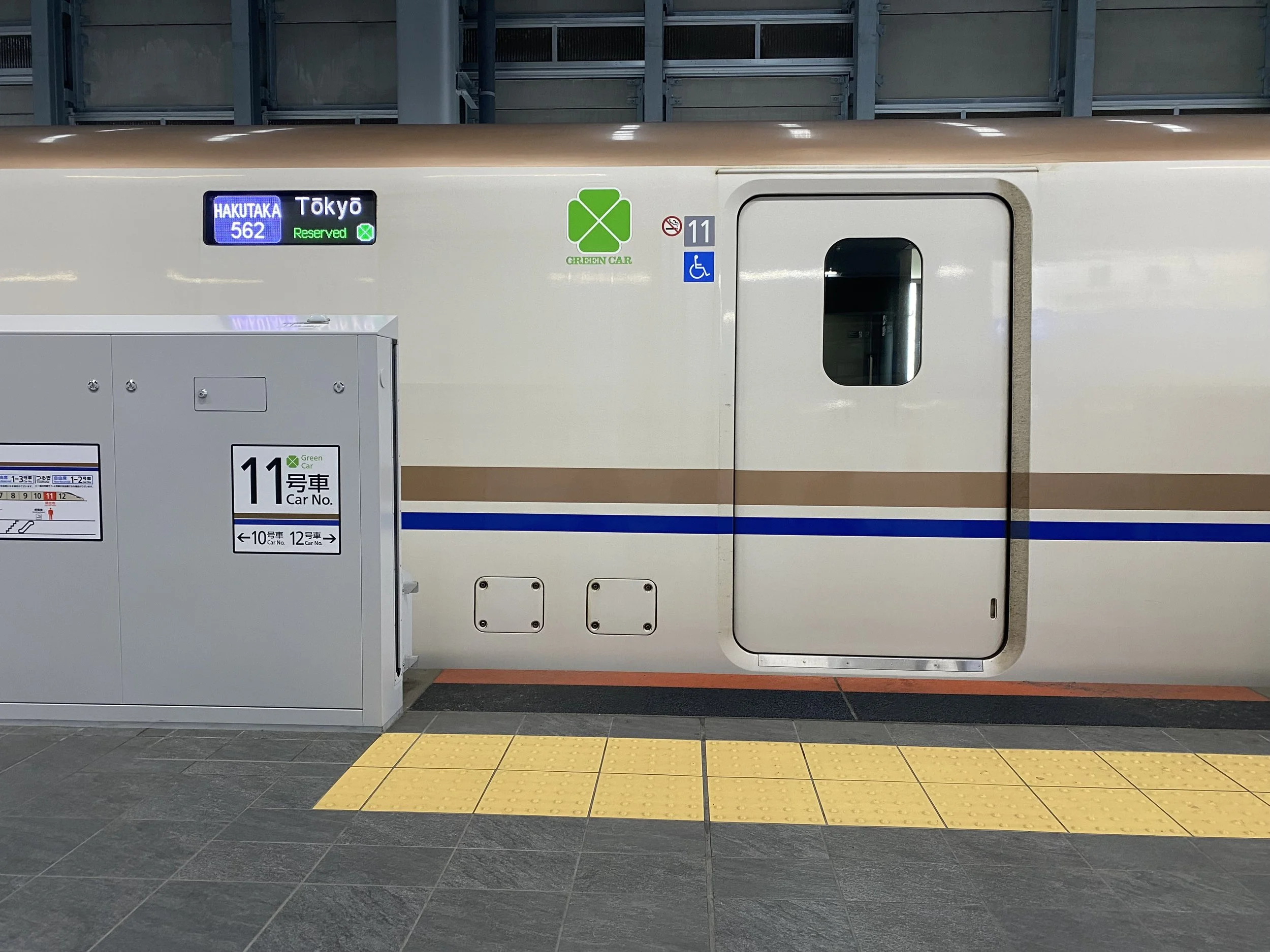
We caught a taxi to the station on the morning of the 16th as it was raining lightly. We’d walked the route a couple of times so we’re a bit surprised when we set off in what felt like the wrong direction. After waiting for what seemed like an eternity at a sequence of red lights it became clear that we were navigating a complex one way system. When we had returned from the station a few nights ago the flow of traffic had been working in our favour and the ride had only taken 20 minutes at a cost of 2000 Yen. Now it was 30 minutes and 3100 yen. Luckily we had allowed plenty of time to find the right platform before our train departed.
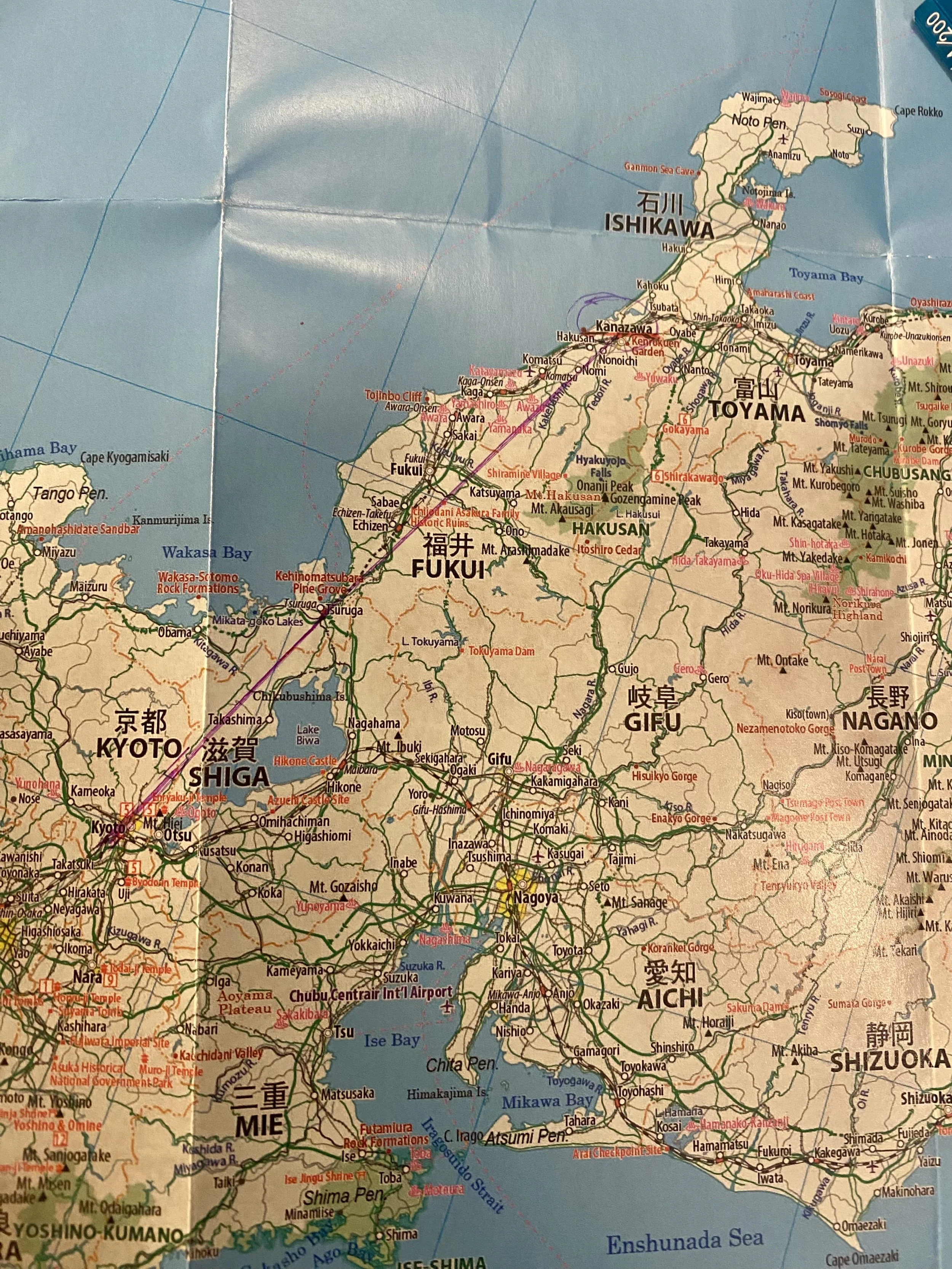
We were dropped at the wrong location for the limited express train to Tsugura where we would be changing onto the Shinkansen to Kanazawa which was a bit annoying because the correct spot was the other side of the enormous station and significantly closer to the hotel.

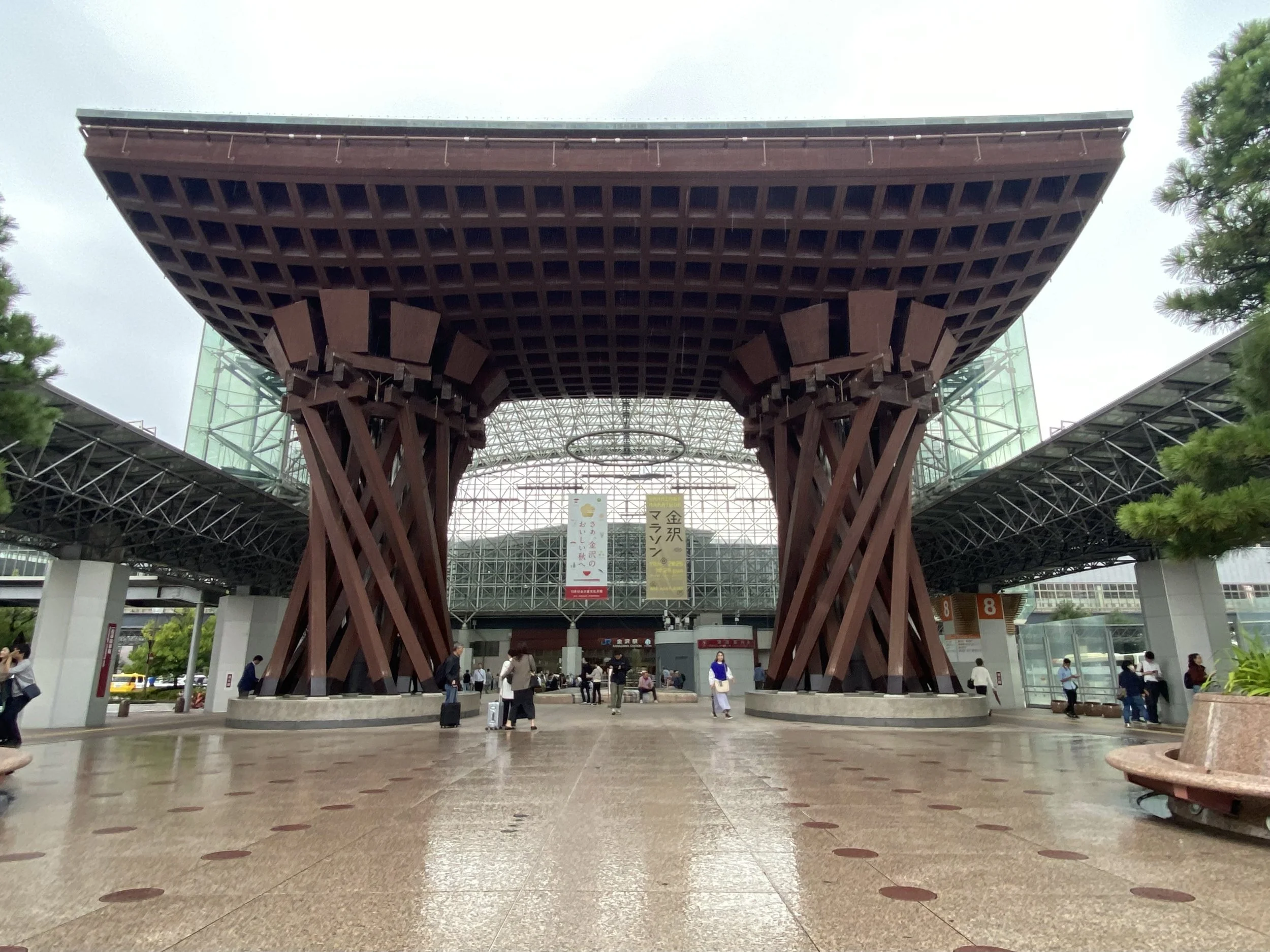
The connections all worked fine though and a few hours later we arrived at another architectural behemoth: Kanazawa railway station.
We had been so lucky with the weather to date but now it was pay back time with heavy rain crashing down onto the glass roof high above. We worked out which bus to catch to get to the hotel and once we arrived at the appropriate stop I utilised the umbrella borrowing scheme and we managed to get there relatively dry.
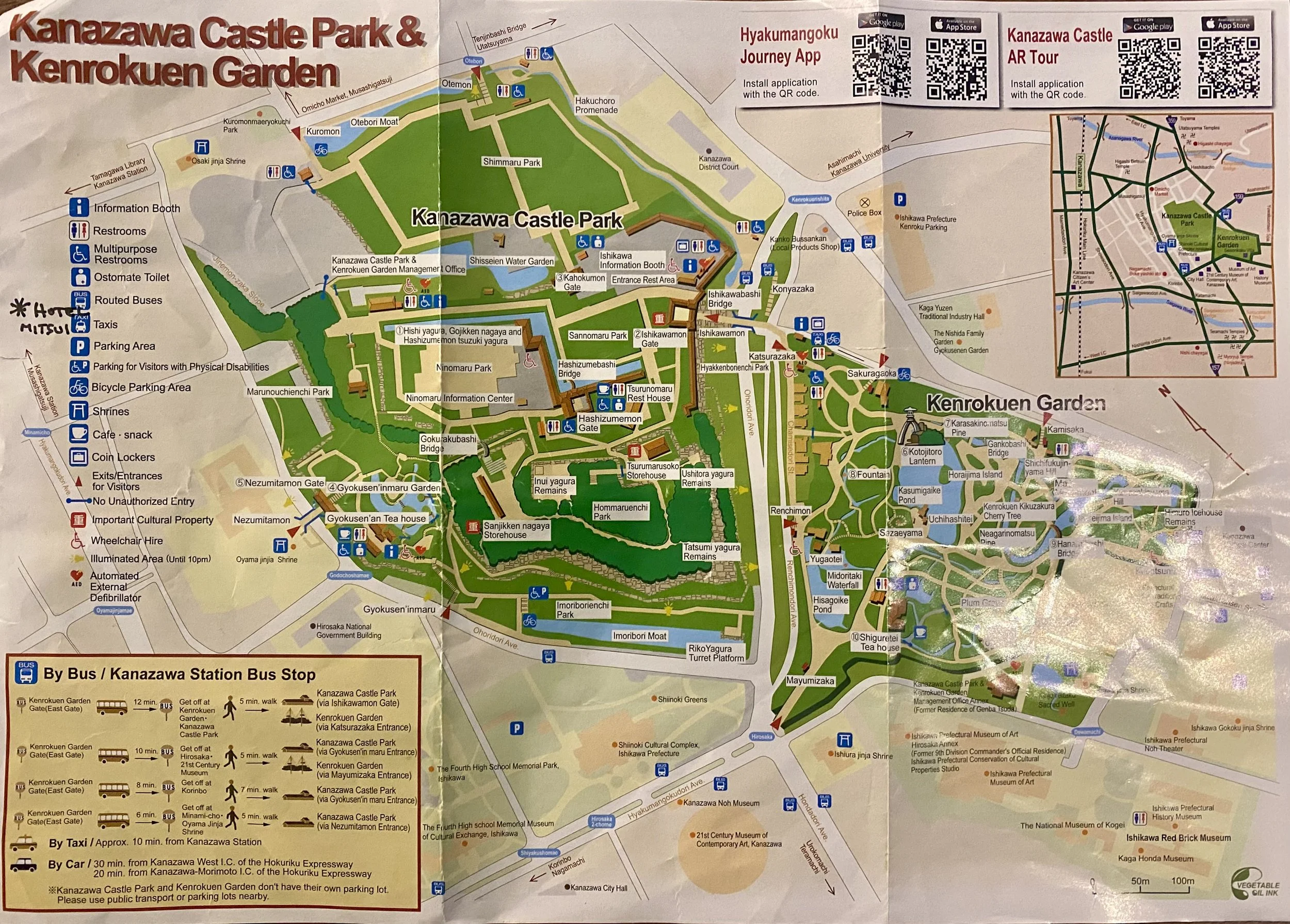
Kanazawa set on the West coast of Honshu was, up to 150 years ago, Japan’s fourth largest city. Its wealth was based on massive rice production and the particularly strong Maeda clan who ruled the region from 1583.
Since the end of the Edo period late in the nineteenth century Kanazawa has not seen the industrialisation that many other large cities have witnessed and, due to a lack of military activity at the time, did it suffer bombing damage during WWII.
The result is a city that is doubtless large and sprawling but relatively low scale. It has retained many areas rich in cultural tradition and design with its Smurai housing and Geisha districts still largely in tact.
Too early for check in we headed out in the rain in search of somewhere to eat. Our guidebooks indicate that the covered food market is the place to go but, unfortunately for us, we could only find things that were wriggling fresh from the sea and that just made us feel a bit queasy.
Referring to Google we headed further north only to find that every place that we picked was either shut for lunch or was located in a building that looked derelict. This seemed to be happening a lot and was becoming very frustrating. We walked on through a part of town that was lacking in any appealing character or antiquity silently both wishing that we were still part of a tour group with Patrick telling us the best places to go.
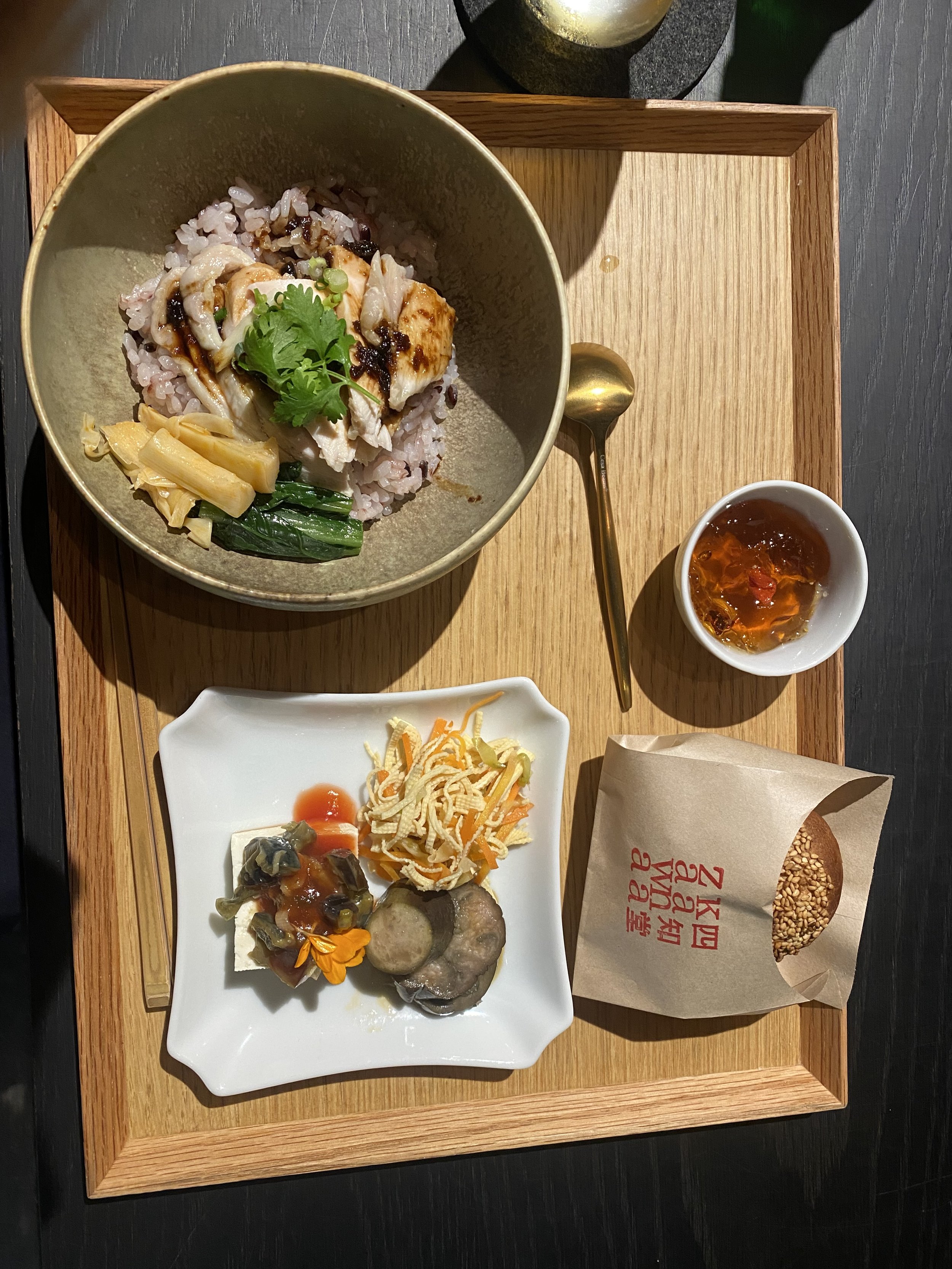
Eventually we found somewhere that was open and, with on a cursory glance at the menu to check that there were non wriggly options, we went in. We struck lucky and thoroughly enjoyed the Korean set meal that was put in front of us. With a Korean beer to accompany our lunch, the world was right again and we were at one with the trip again.

Back at the hotel (which was excellent), we made the most of the facilities and relaxed in the onsen on the 13th floor. No photos are allowed inside the bathhouse so I can’t show you the view from there towards the castle but this one taken from the corridor looking in the other direction gives an idea of the scale of the city. As you can also see, the rain had stopped by now and the weather was set fair for a proper walk around the sites tomorrow. We just hope that we can find the nice bits!
Happy hour started at 4 and carried on until 7. We had quite a few half priced drinks and grazed on fried chicken, chips and salad. All great and all cheap with a 4500 yen bill at the end.

Glorious hot sunshine greeted us the next morning and after a very good buffet breakfast we headed out and soon found the first area of interest; the Samurai quarter.

A tight network of narrow streets with each property protected by a perimeter of sloping walls formed in stone, render and pan tiled lid.
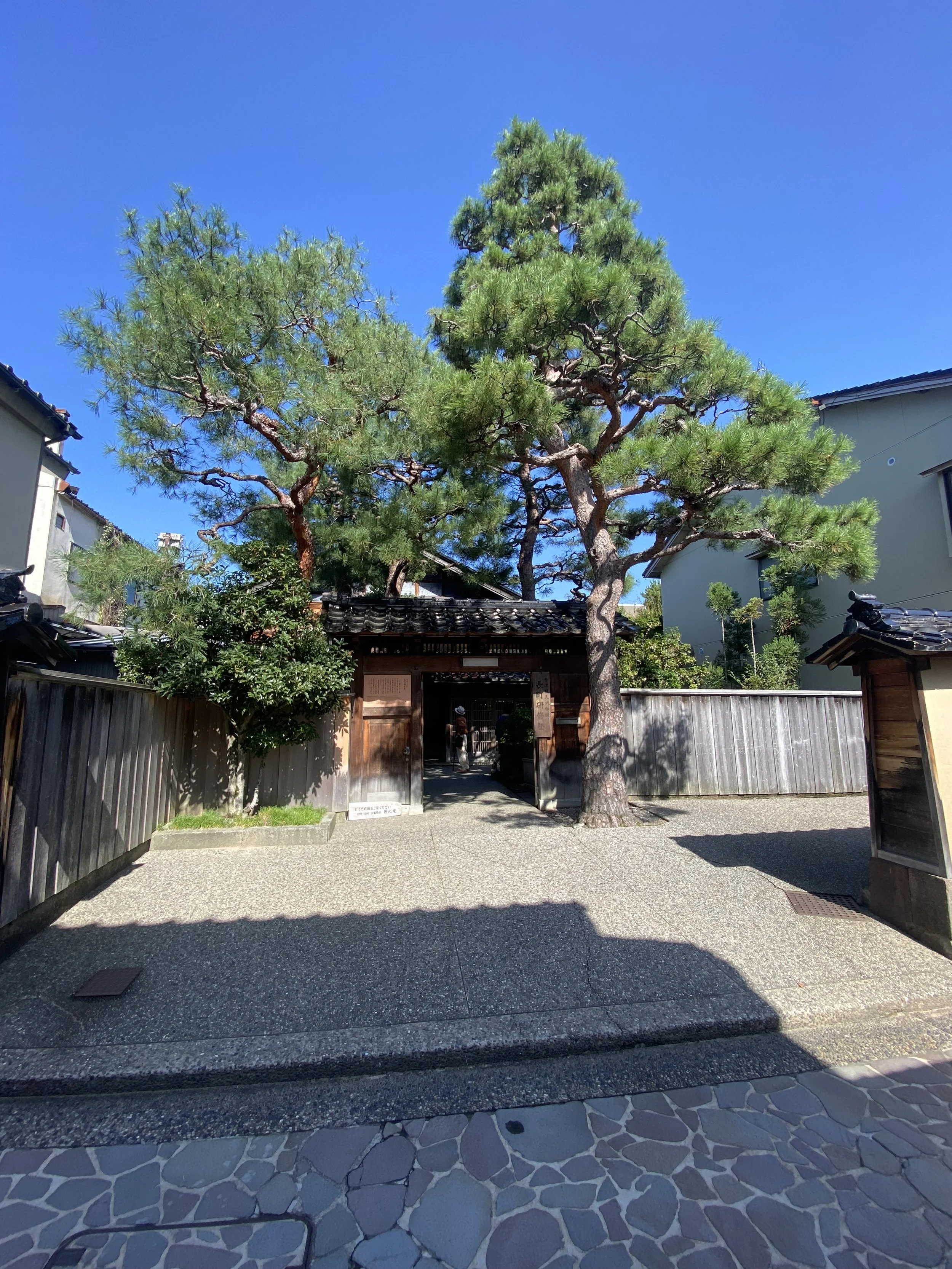
The entrances to the houses are understated and not particularly welcoming to strangers.
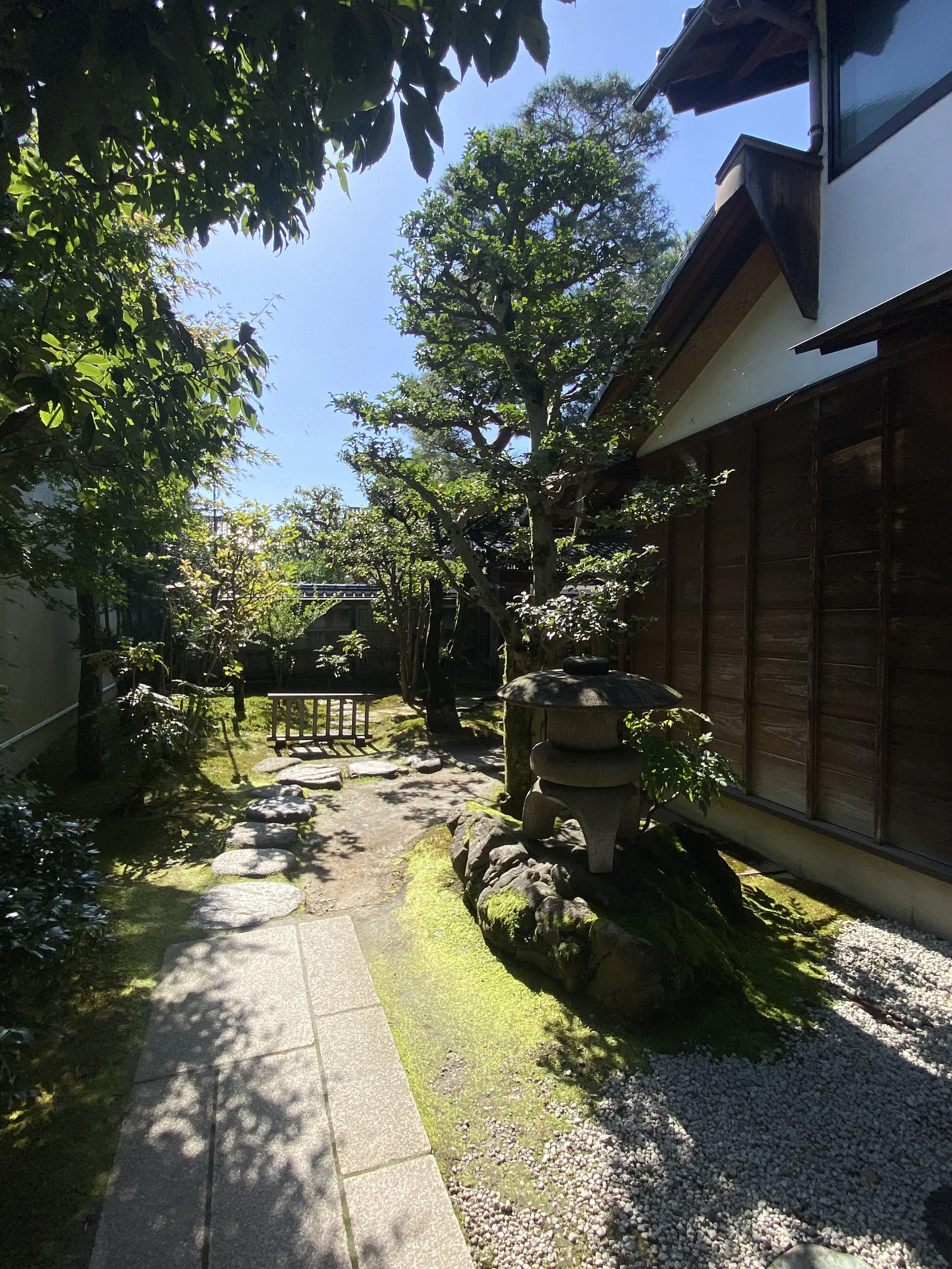

Once through, there is invariably a beautifully serene garden, deceiving the eye to believe the space is bigger than it is with disappearing paths and water courses all set out simplistically and without fuss.

I paid to enter one small garden where the proud 5th generation owner who explained in perfect English how his garden replicated all of the features of the Kenrokuen Garden that we would be visiting next.
He said that we were lucky because the pine trees had just had their annual prune, a painstakingly process of first plucking out any dead needles and then careful tip pruning to maintain the desired shape and balance. Each tree had taken two men one day to complete the process. I made a mental note to never again complain about the time it takes to cut my hedges at home.

Moving up a gear we made our way to the main garden event in town, Kenrokuen Garden, developed between 1620 to 1840 and first opened to the public in 1871.
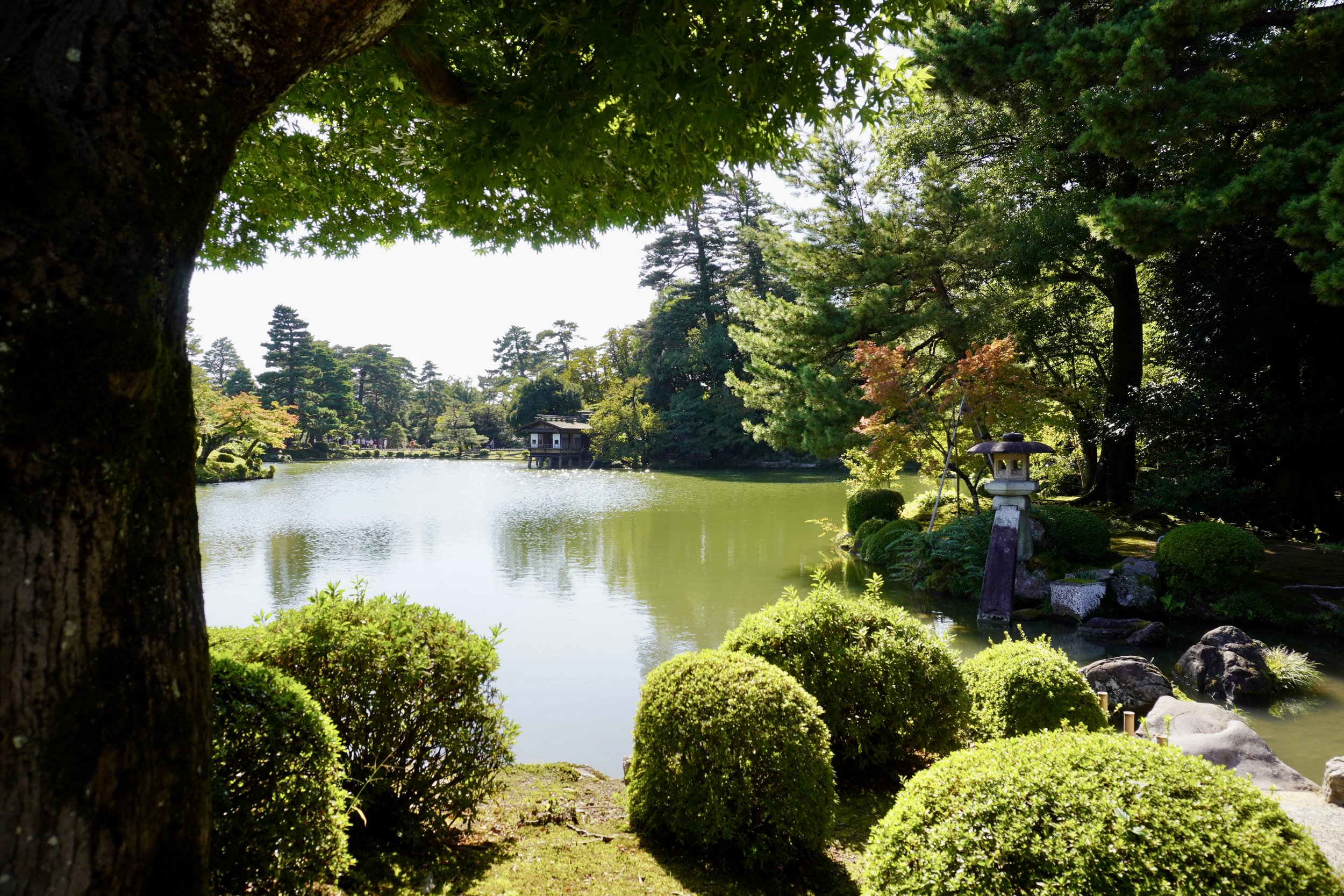
The name of the garden is derived from a renowned Sung dynasty garden in China and means ‘combined six’ which relates to the essential attributes required for a space of such quality to achieve perfection; seclusion, spaciousness, artificiality, antiquity, abundant water and broad views.
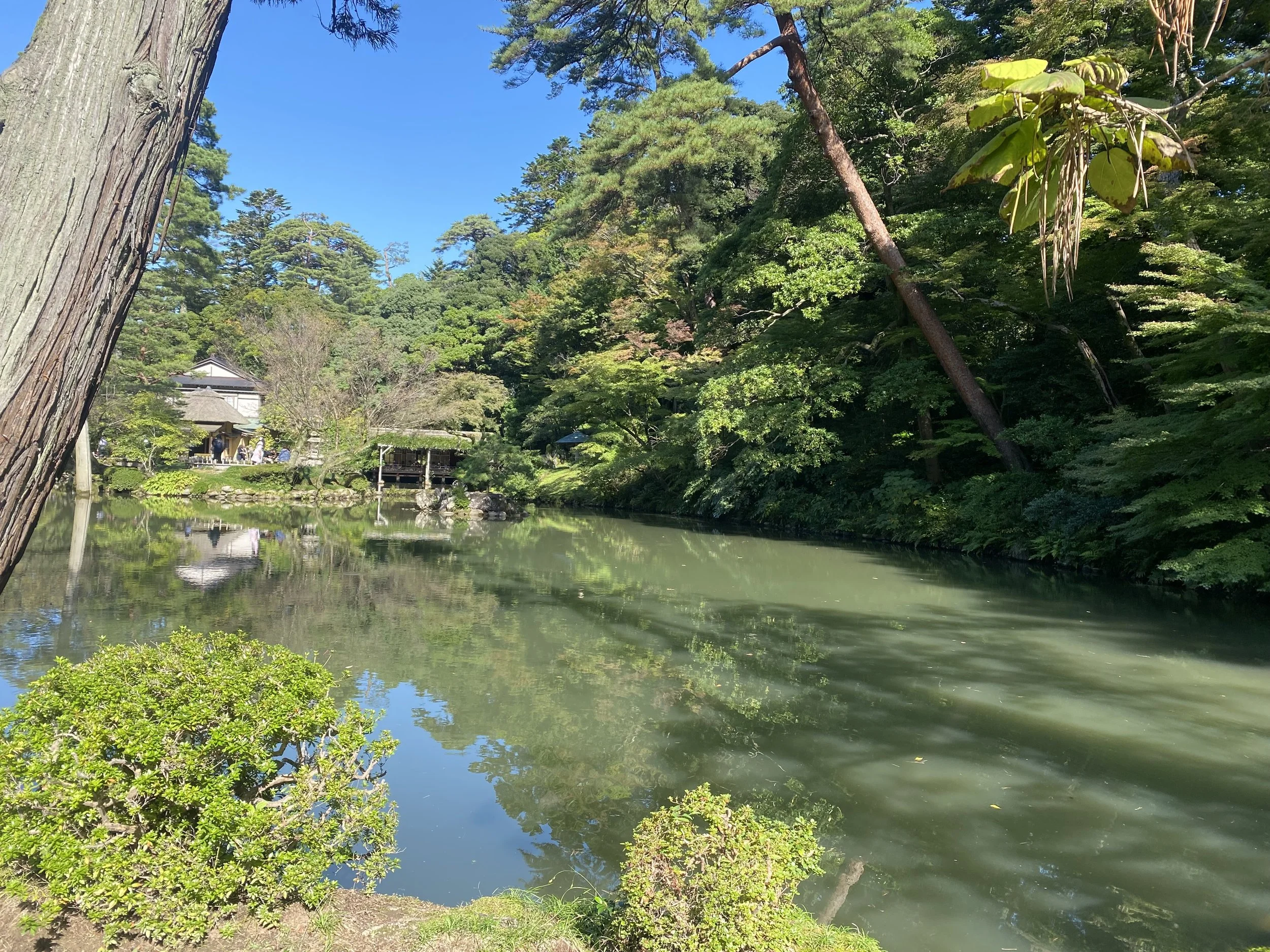
The place is huge and even after walking around for a couple of hours we still hadn’t covered it all.
Gardened out we headed back to the Samurai quarter for a late lunch this time at a Thai restaurant which was remarkably where Google said it would be and was equally remarkably open.

By this time Pauline felt that we had done enough walking but I insisted on exploring further to find the Geisha district that we had bypassed earlier in the morning. It was interesting walk through areas of town that were new to us but on arrival the single street of old houses was felt a bit staged and was all closed up because of the time of day that we were there.
The highlight was the Ninja warrior museum which included this dude with the natty moustache 🥸
Falling into a routine, we relaxed in the onsen back at the hotel then enjoyed some more happy hour(s) refreshments.
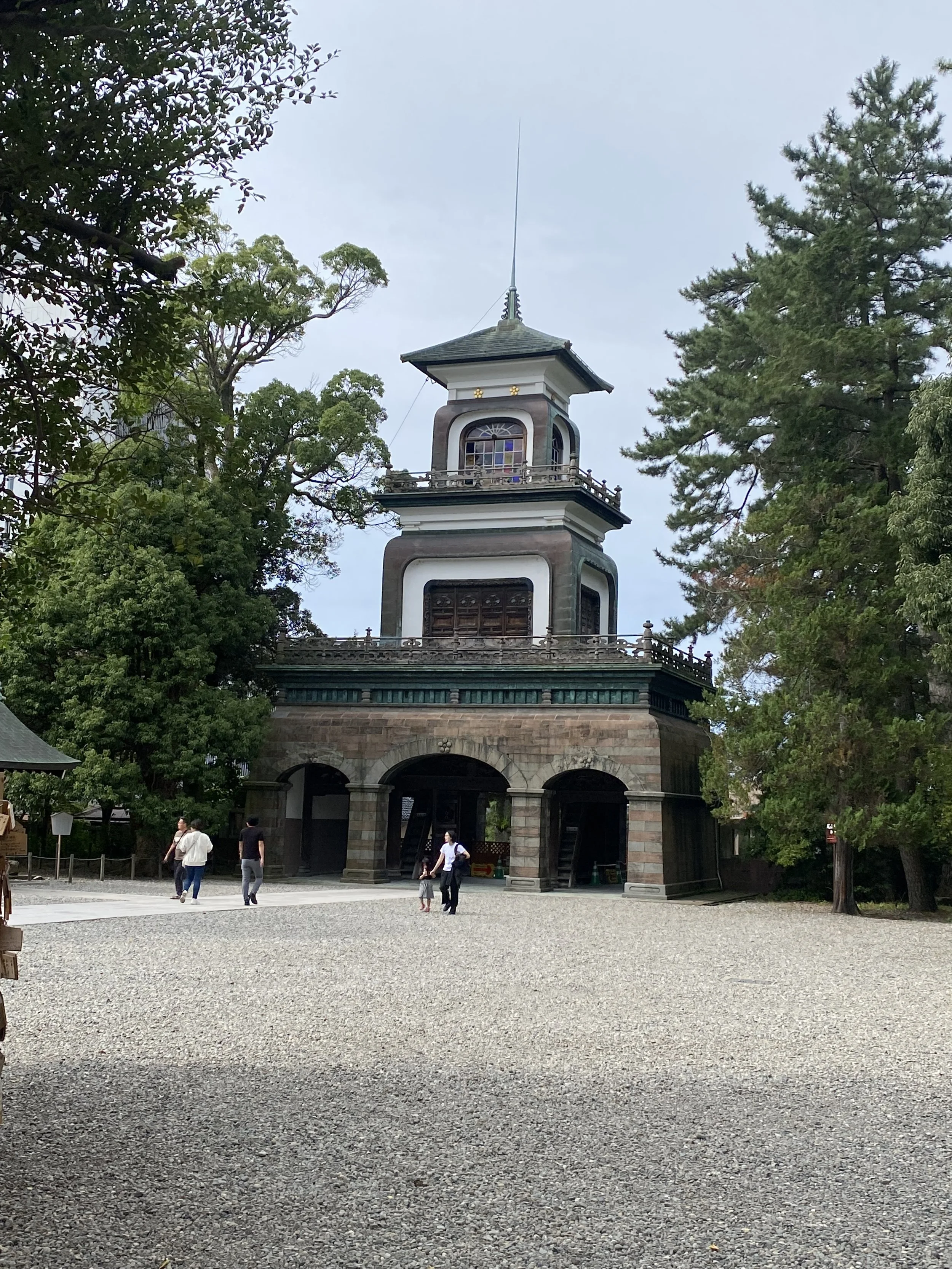
By our third day in Kanazawa we felt like we were locals, everything was easy to find and we took everything in our stride without a second thought. Mystified at how we had missed the main town features, we found a fantastic shrine no more than 5 minutes away from the hotel and from there an easy link into the castle gardens.

Pretty much all of the original castle originating in 1580 was destroyed by fire in the late 19th century. Slowly but surely it is now being rebuilt. Maybe in another hundred years or so it might regain its former glory.

This is just the store room at the edge of the inner keep to the castle.

Behind the store area is what is started to be reconstructed now. It’s a huge project.
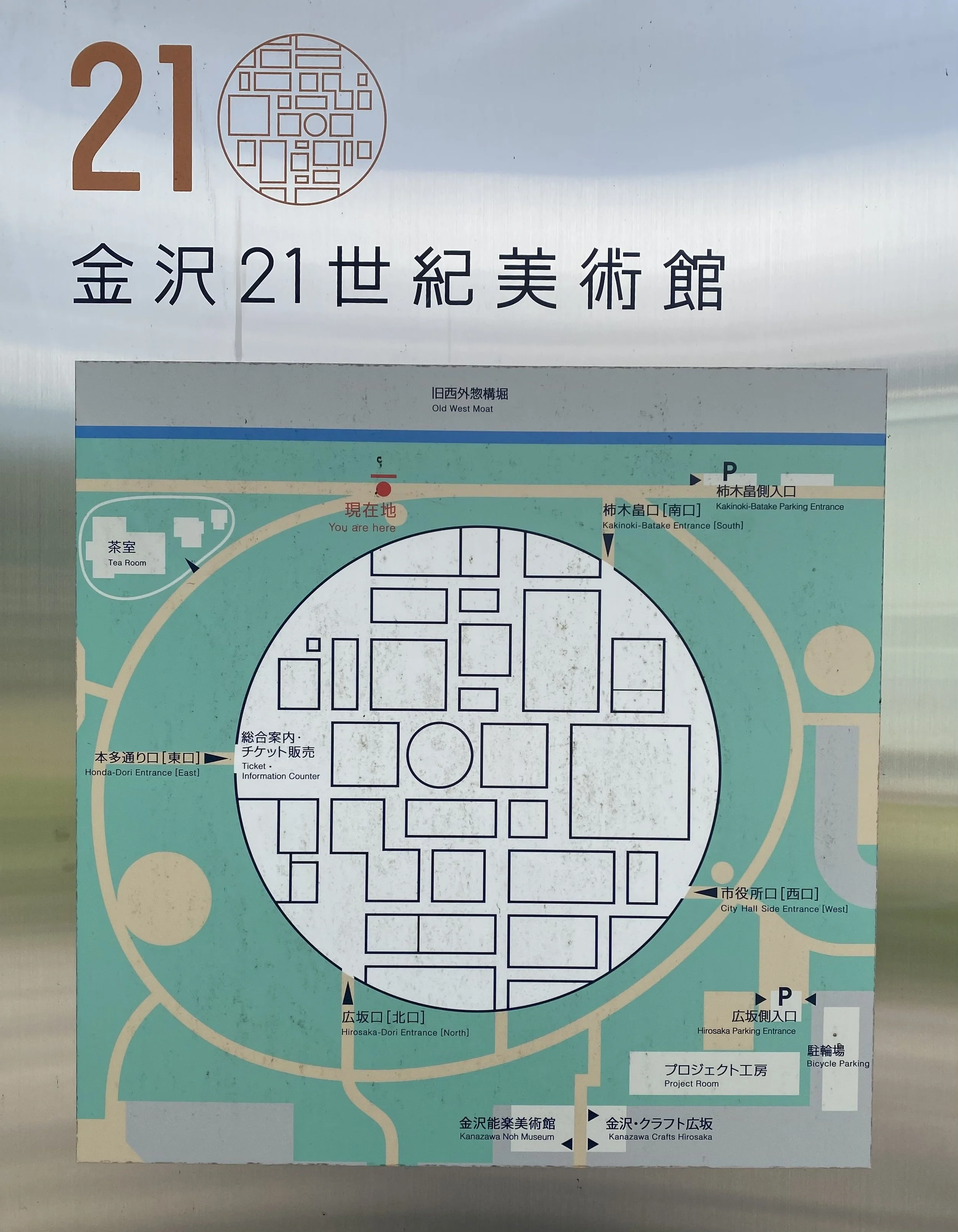
Next a shift forward in design of around 450 years to the 21st Century museum of contemporary art designed by Japanese architects Kazuyo Sejima and Ryue Nishizawa in 2004. An incredible building formed in a 112m diameter glass drum split internally into a series of squares, rectangles and an off centre circle that make moving through it a hugely interesting and varied experience.

External corridors are mixed up with internal display areas giving a strange perception of space and your position within it.
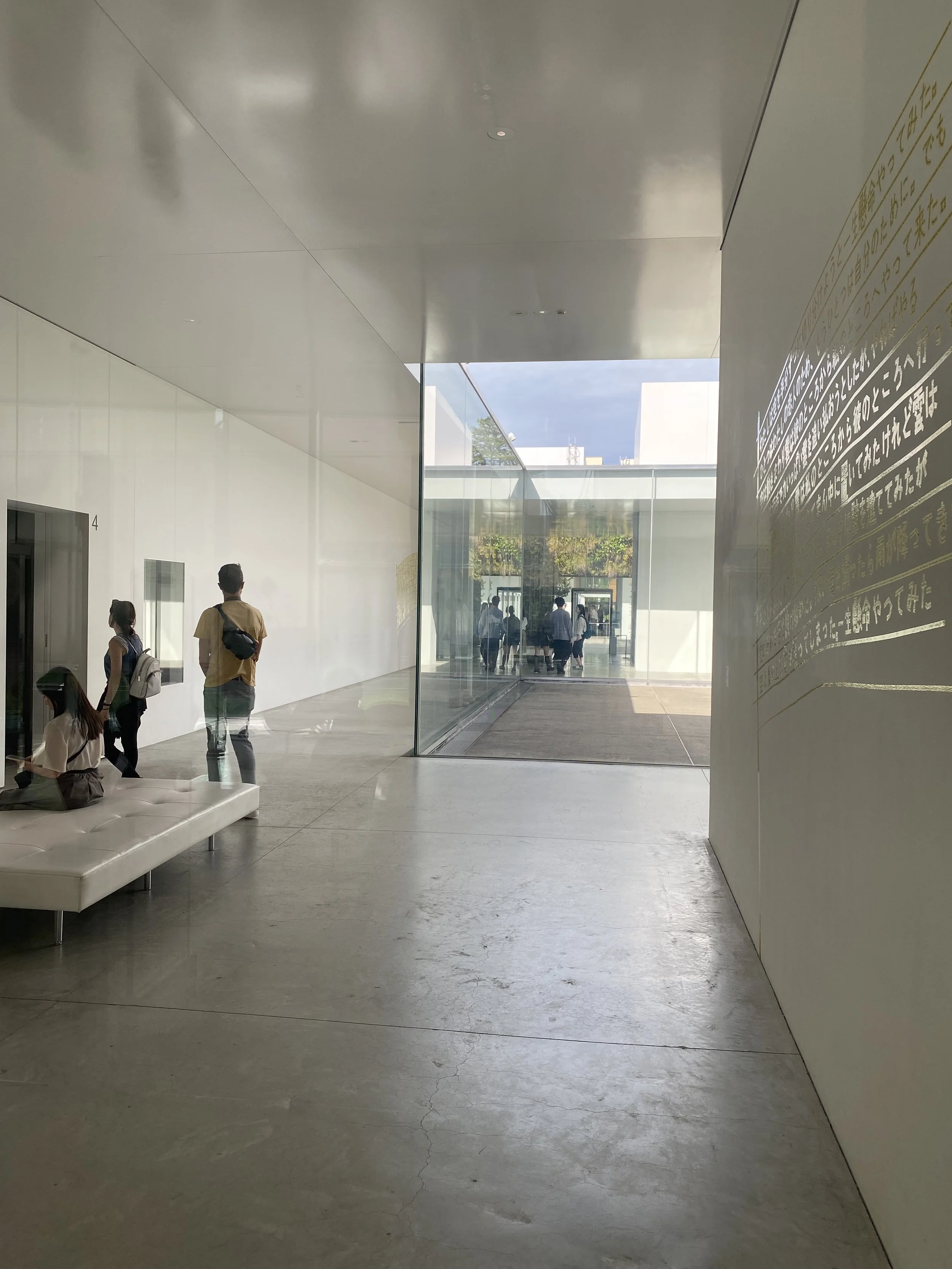
Glimpses of greenery draw you through to discover new areas.
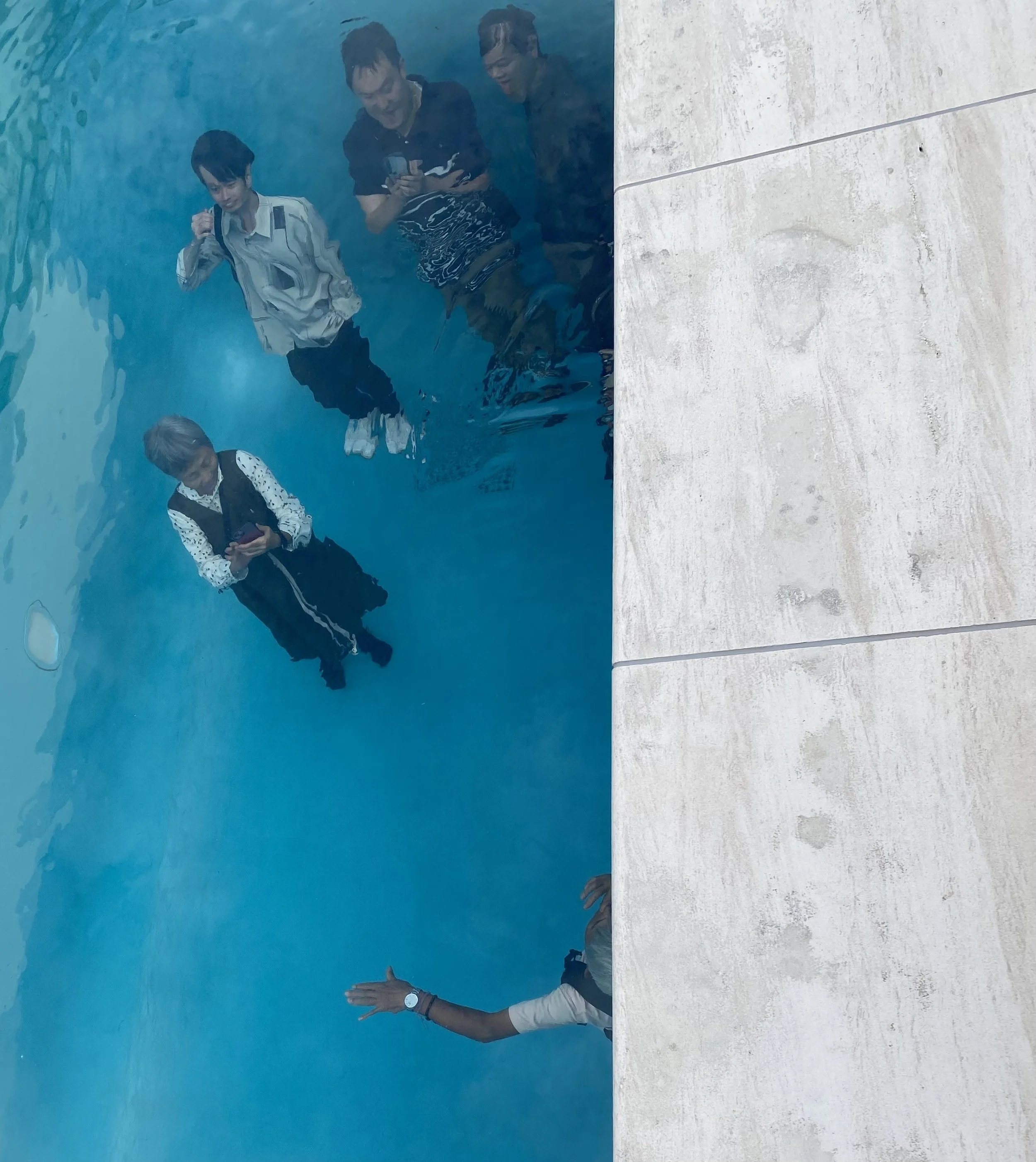
Different levels of gallery together with clear glass bottomed swimming pools are used to mess further with your special perception.

James Turrell gets another look in with a larger scale version of his design from Chichu art museum on Naoshima Island. Quite breathtaking and a spectacular sky specially for us.

Inside and outside blend into one.
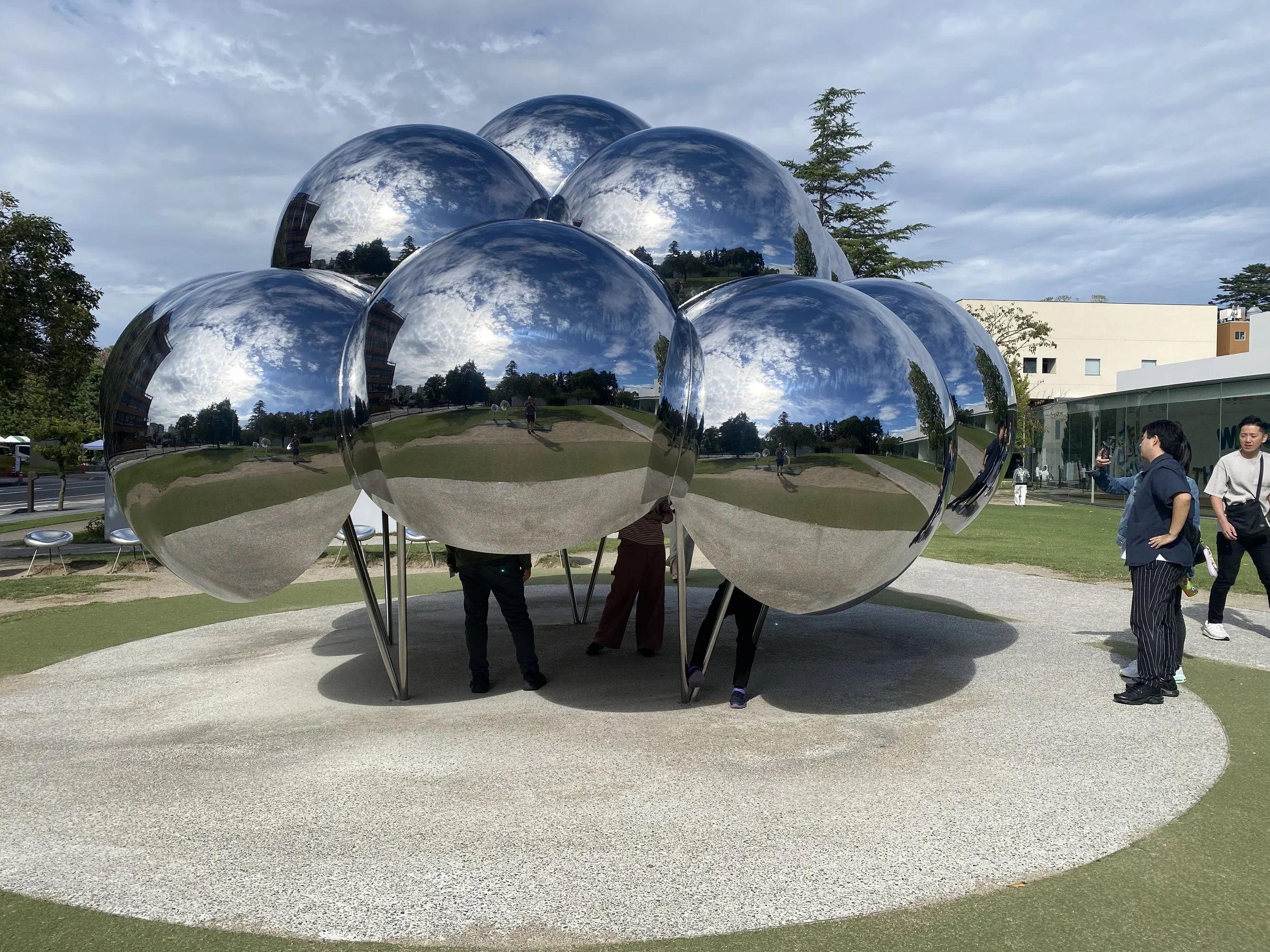
The artwork continues outside.
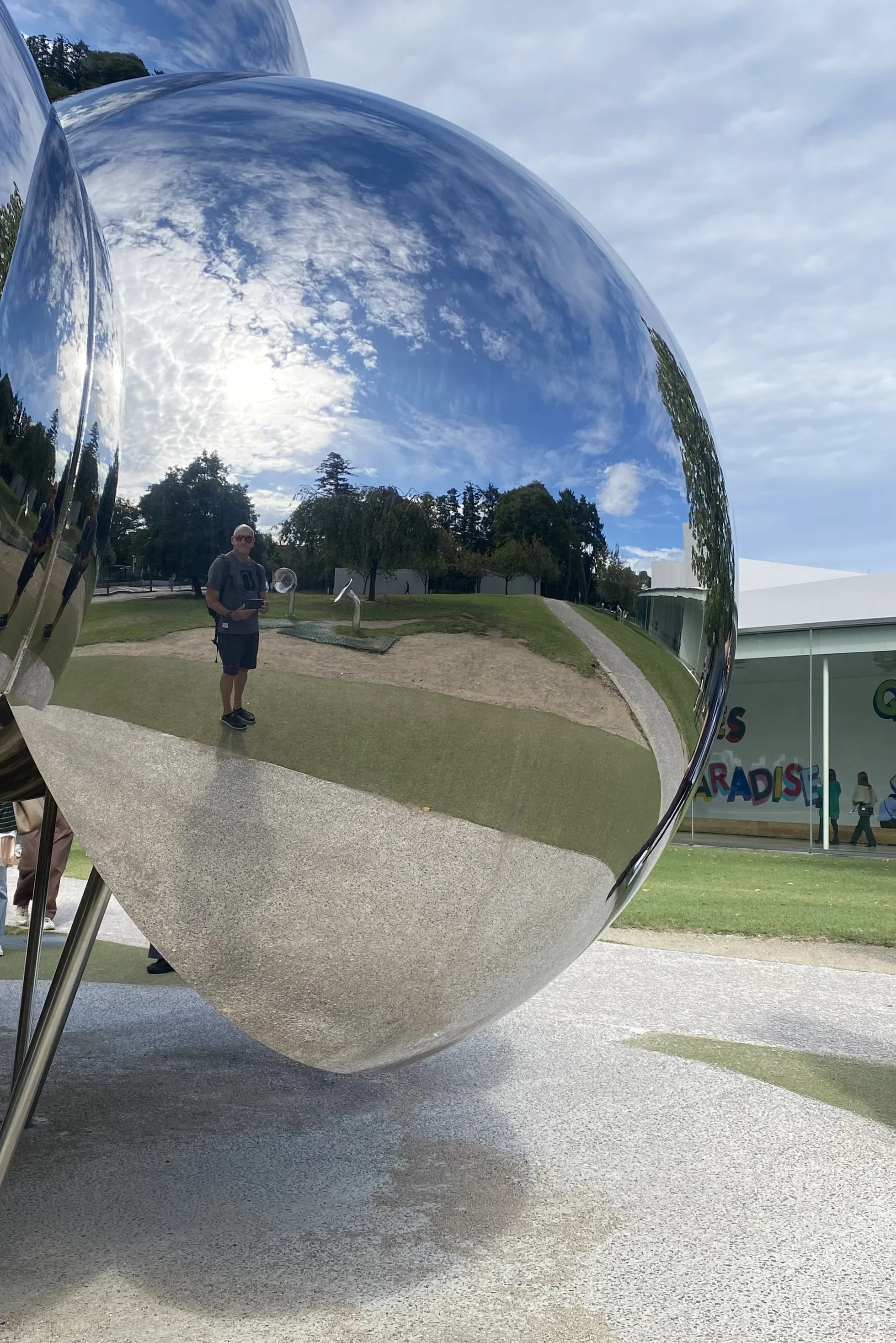
And a chance for a self portrait.
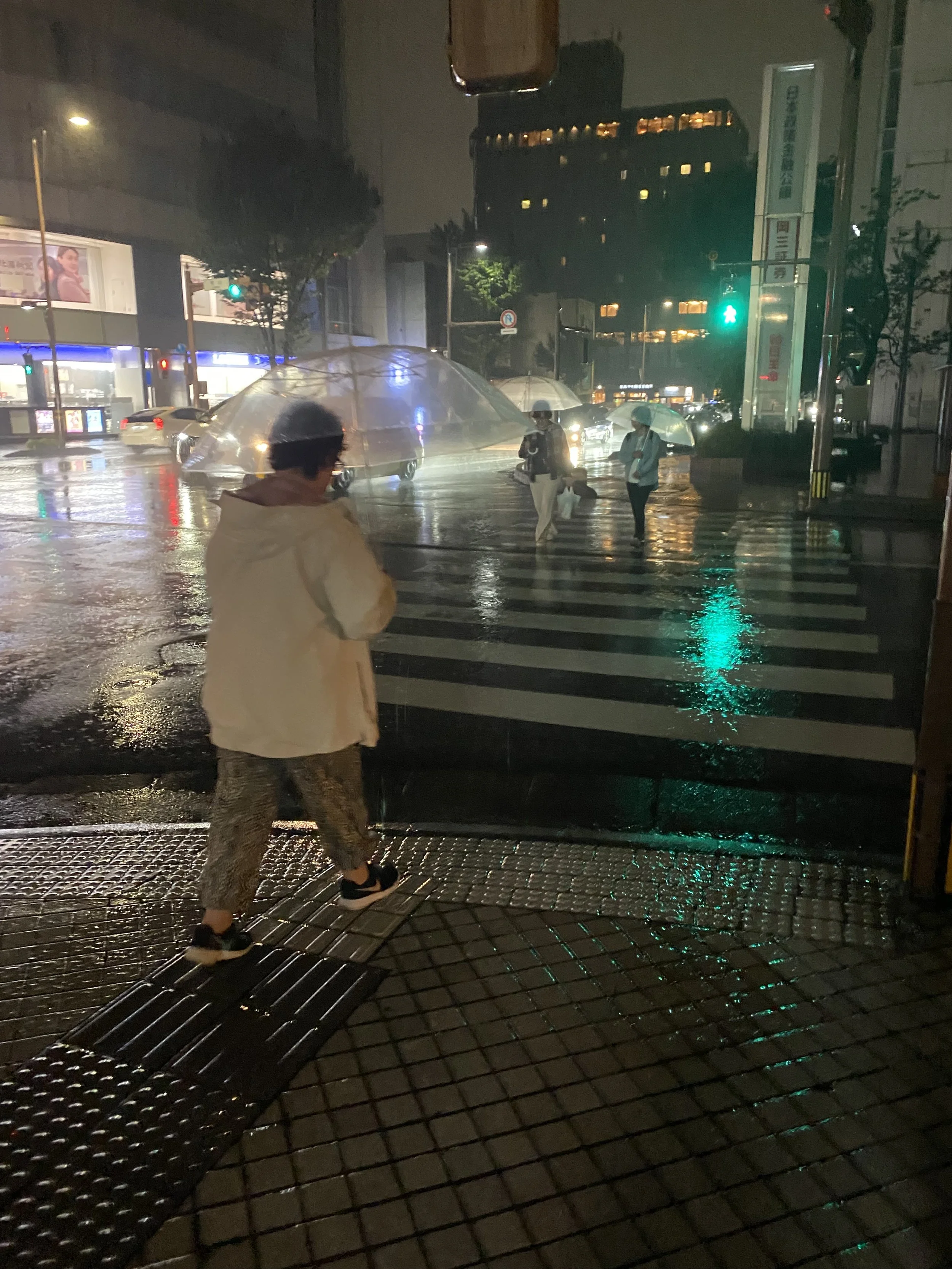
The fine sunny weather didn’t last and by the evening it was lashing it down again.
Time to move on to another place.